
Past Causes + Present Conditions = Karmic Results
The Buddhist view of causality is not fatalism.
It emphasizes the interplay of causes and conditions,
focusing especially on present conditions here and now.
All the fluctuations we experience in life,
from a Buddhist perspective,
are the fruit of past causes and present conditions.
Past causes are karma created in past lives.
They are like seeds already sown.
They cannot be altered,
but they require present conditions to sprout and bloom.
Present conditions are the actions and choices we make in this life.
They are the key factors we can grasp and control right now.
For example, trees of the same species – representing the same past cause -
will yield different results in barren or fertile soil.
Take the Yushan juniper, endemic to Taiwan’s high mountains.
On the windward side, they grow low and twisted to adapt to strong winds.
On the sheltered side, they become upright trees over twenty meters tall.
Their past causes are the same, but because present conditions differ, they end up vastly different.
Buddhism does not deny past causes,
but emphasizes the importance of present conditions.
Past causes are like seeds;
present conditions are like soil, water, and sunlight.
If we cultivate wholesome conditions and perform virtuous deeds,
we can transform suffering into joy and change our destiny.
To change our destiny, we ordinary beings must begin with present conditions.
Among all wholesome practices,
the most supreme present condition
is reciting, “Namo Amitabha Buddha.”
The Buddha’s name possesses immeasurable light and merit,
eliminating our negative karma and transforming our mind.
Consequently, our direct reward and environmental reward change for the better.
Through the Buddha’s power, our true selves elevate to a higher, purer state,
and our environment also becomes wholesome and harmonious.
As the Pure Land teaching says: “Recite Amitabha’s name to receive blessings in this life and attain rebirth at life’s end.”
(Translated by the Pure Land School Translation Team;
edited by Householder Fojin)
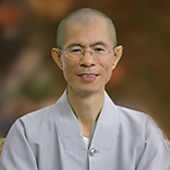
Master Huijing
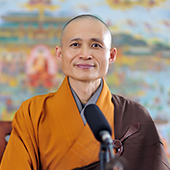
Master Jingzong
Guiding Principles
Faith in, and acceptance of, Amitabha’s deliverance
Single-minded recitation of Amitabha’s name
Aspiration to rebirth in Amitabha’s Pure Land
Comprehensive deliverance of all sentient beings