
The Secret Superpower Called “Rejoicing”
Ever heard of the term “rejoicing” in Buddhism? It’s the practice of feeling genuine joy when you see someone else doing good – and here’s the beautiful part: you receive the same merit as if you’d done it yourself. Seriously. No catch.
The Avatamsaka Sutra lists “Rejoicing in Others’ Merit” as one of Samantabhadra’s Ten Great Vows. The Lotus Sutra even dedicates a whole chapter to it. That’s how important this is.
Think about it this way. There are people out there who are gifted Dharma teachers. Me? I fumble my words, and can't remember a thing. But if I genuinely cheer those people on, admire them, feel happy from the bottom of my heart that they’re spreading the teachings – their merit becomes mine too.
Someone donates to help build a temple. Someone prints sutras. Someone sits by a dying person reciting the name of Amitabha Buddha. I don’t have the money, the time, or the chance to do all that myself. But a sincere “rejoicing” from the heart? I get every bit of that merit – equal share, nothing discounted.
Rejoicing is like opening the pockets of your heart. Every good deed you witness drops right in. Truly — zero investment, infinite returns.
Here’s the thing about being human: we all have limits. Nobody can do everything. But rejoicing lets you borrow other people’s strengths and good deeds to make up for what we lack. That’s why Bodhisattvas take this practice very seriously.
Sadly, the world usually works the opposite way. Someone shines – and instead of celebrating them, people tear them down, criticize, or try to drag them back. It’s just jealousy.
Let’s be honest with ourselves for a second. Some of us say “good for them” while secretly rolling our eyes. We nod along but quietly think, eh, what they did wasn’t all that good. We mentally slash their achievements by 50%...70%...90%.
Or we can rejoice in little things, but the moment something touches our turf, our ego, our core interests? The wall goes up fast.
But you know what? It’s just one flicker of thought. Move that flicker aside, and suddenly your heart has all this space. The good of others becomes your good. Why wouldn’t you want that?
One more thing: wrong views and a cold heart also block rejoicing. For example, when we hear that Amitabha Buddha saves even the worst sinners and brings them to the Pure Land – our natural response should be joy. Joy that a suffering being is freed from hell. Joy that Amitabha’s compassion is that vast. Joy that another being becomes a Buddha.
But some folks furrow their brow and worry: “Won’t that just encourage people to do bad things?” Ah, the mind finds such creative ways to rob us of that joy.
Rejoicing humbles pride, cracks open the ego, expands the heart, and grows wisdom. It stacks up merit faster than almost anything else.
It’s a practice anyone can do, anytime. So let’s start doing it. Today. Right now.
Namo Amitabha Buddha!
(Translated by the Pure Land School Translation Team;
edited by Householder Fojin)
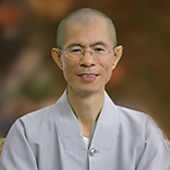
Master Huijing
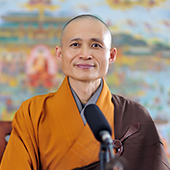
Master Jingzong
Guiding Principles
Faith in, and acceptance of, Amitabha’s deliverance
Single-minded recitation of Amitabha’s name
Aspiration to rebirth in Amitabha’s Pure Land
Comprehensive deliverance of all sentient beings